
HOW INNOVATION CAN FINALLY LOWER HEALTHCARE COSTS
The cost of healthcare remains one of the greatest economic burdens globally. While technology often drives up prices in other sectors due to feature bloat, the tech industry is uniquely positioned to address the root causes of inflated healthcare costs: administrative waste, diagnostic inefficiency, and reactive, rather than preventive, care.
By leveraging the power of Artificial Intelligence (AI), remote connectivity, and data analytics, the tech sector can fundamentally restructure healthcare delivery, making it more affordable, accessible, and effective.
A TREATMENT PLAN FOR aMERICA’S HEALTHCARE SYSTEM
1
ATTACKING ADMINISTRATIVE WASTE WITH AUTOMATION
A significant portion of healthcare spending is consumed by non-clinical, administrative tasks, such as billing, claims processing, and compliance. This "friction" represents a massive opportunity for tech-driven cost savings.
The Problem: Administrative costs account for roughly 25% of total U.S. healthcare spending, a much higher percentage than in other developed nations.
The Tech Solution: AI and Automation (RPA)
Claims Processing: AI and Robotic Process Automation (RPA) can automate the repetitive, high-volume tasks involved in processing and scrubbing claims. By quickly verifying patient eligibility, coding accuracy, and payment rules, these tools drastically reduce the costly labor involved in appeals and denials.
Specific Example: Companies are using AI-powered automation to perform eligibility verification and claims scrubbing with greater frequency and accuracy. Early adopters have reported reducing administrative costs by 20–40% in key functional areas.
Electronic Health Records (EHR) Optimization: While EHRs initially contributed to physician burnout through excessive data entry, newer AI tools are streamlining documentation. Natural Language Processing (NLP) can convert a doctor's dictated notes directly into structured EHR data, reducing the time physicians and nurses spend on paperwork and allowing them to focus on patient care.
2
SHIFTING FROM TO PREVENTIVE HEALTH
The most expensive medical events are often hospitalizations and emergency room visits for conditions that could have been managed or prevented earlier. Tech enables a continuous, proactive model of care that keeps patients out of the hospital.
The Problem: Chronic diseases (like diabetes, heart failure, and COPD) account for the majority of healthcare spending, often due to poor adherence or late intervention.
The Tech Solution: Remote Patient Monitoring (RPM) and Wearables
RPM: Wearable devices and at-home diagnostic tools collect vital signs (blood pressure, glucose levels, heart rate) and transmit the data securely to providers. AI algorithms then analyze this continuous stream of data in real-time.
Specific Example: For a patient with heart failure, a sudden drop in a certain metric can trigger an automated alert, allowing a nurse to intervene with a telehealth call or medication adjustment before the patient's condition deteriorates to the point of needing an emergency room visit or hospital readmission. By preventing these high-cost acute events, RPM significantly lowers the total cost of care for chronic conditions.
Personalized Medicine and Genomics: Tech-driven analysis of a patient's genetic profile allows for treatments to be tailored specifically to their biological makeup, increasing efficacy and avoiding the costs associated with ineffective trial-and-error treatments.
3
IMPROVING ACCESS AND EFFICIENCY WITH VIRTUAL CARE
Telehealth uses digital communication tools to deliver care remotely, effectively reducing the overhead of physical visits and expanding access, especially in rural or underserved areas.
The Problem: In-person visits incur costs for the patient (travel, time off work) and the provider (facility overhead, staffing). Furthermore, missed appointments lead to decreased care compliance and later, more expensive interventions.
The Tech Solution: Telemedicine and Virtual Assistants
Telehealth Visits: For routine check-ups, follow-ups, and non-emergency primary care, virtual appointments significantly reduce costs. One study found that diverting members to telehealth visits for acute/non-urgent care saved an average of $242 per episode of care. Telehealth also helps reduce patient no-show rates by offering greater convenience.
AI-Powered Triage and Navigation: Virtual assistants and AI-driven chatbots can handle initial patient interactions, answering questions, scheduling appointments, and triaging symptoms. This reduces the burden on human staff and ensures patients are directed to the most appropriate, lowest-cost setting for care (e.g., a virtual visit instead of an urgent care clinic).
4
ENHANCING DIAGNOSTIC ACCURACY WITH AI
Early and accurate diagnosis is essential for avoiding the costs of delayed treatment or incorrect procedures.
The Problem: Diagnostic errors or delays lead to poor outcomes and the need for more aggressive, expensive treatments down the line.
The Tech Solution: Deep Learning and Image Analysis
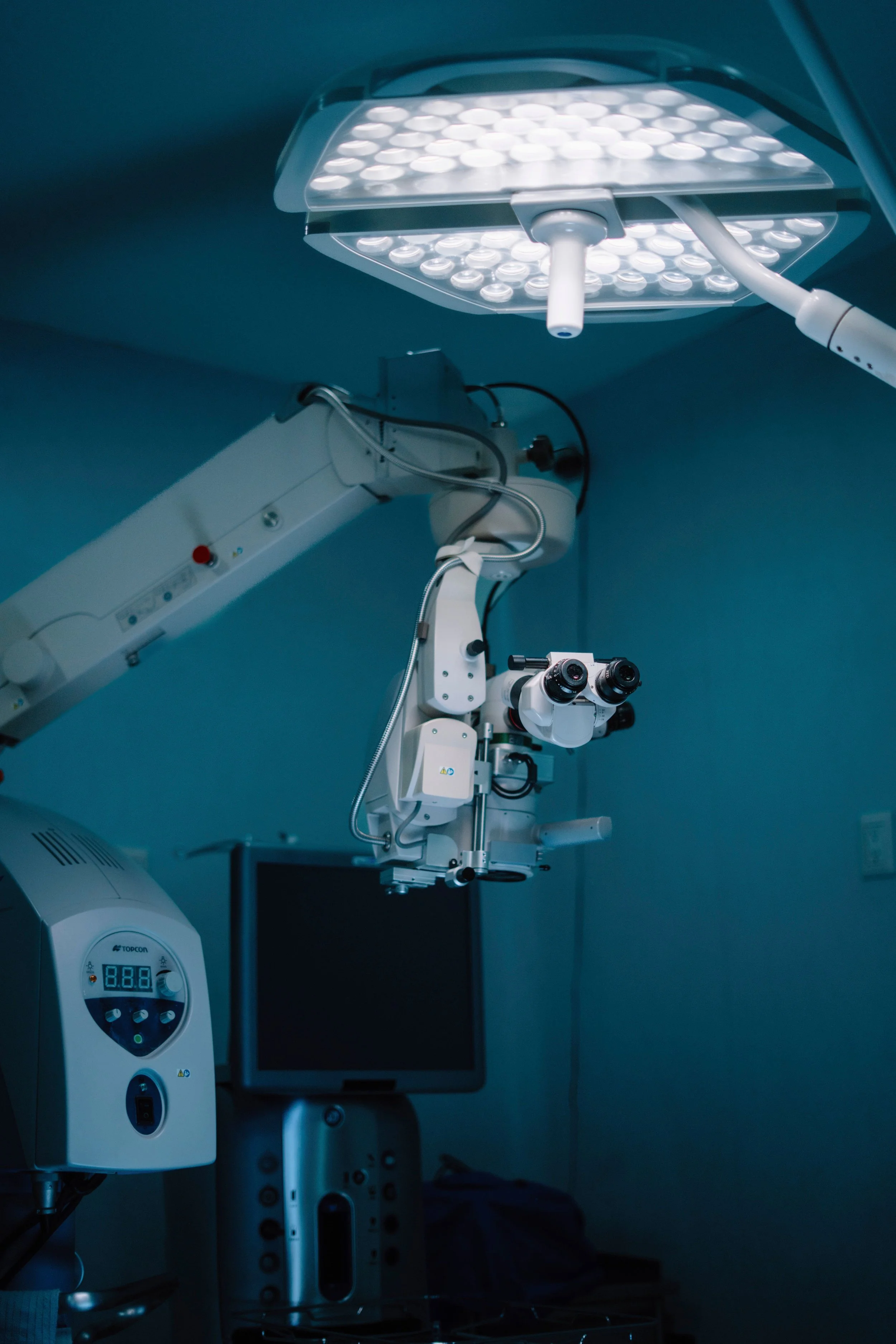
AI-Assisted Diagnostics: AI algorithms can analyze complex medical images (MRIs, CT scans, X-rays) with high precision and speed, often augmenting the capabilities of human radiologists.
Specific Example: AI tools have demonstrated superior diagnostic capabilities in identifying conditions like skin cancer or retinopathy by analyzing images using deep learning. This early and accurate detection allows for less invasive, more effective treatments, potentially reducing future treatment costs by up to 50%.
Robotic Surgery: While the initial investment is high, robotic-assisted minimally invasive surgery leads to greater precision, smaller incisions, shorter hospital stays, and faster patient recovery, which significantly lowers the overall cost of an surgical episode.
The tech industry's role is not just to introduce new gadgets, but to integrate and standardize these digital tools across the entire healthcare continuum. The ultimate success will be measured not in the revenue generated by the technology itself, but in the trillions of dollars saved and the improved health outcomes achieved by the patients it serves.
SOCIAL MEDIA: TRUTH IN THE MOMENT
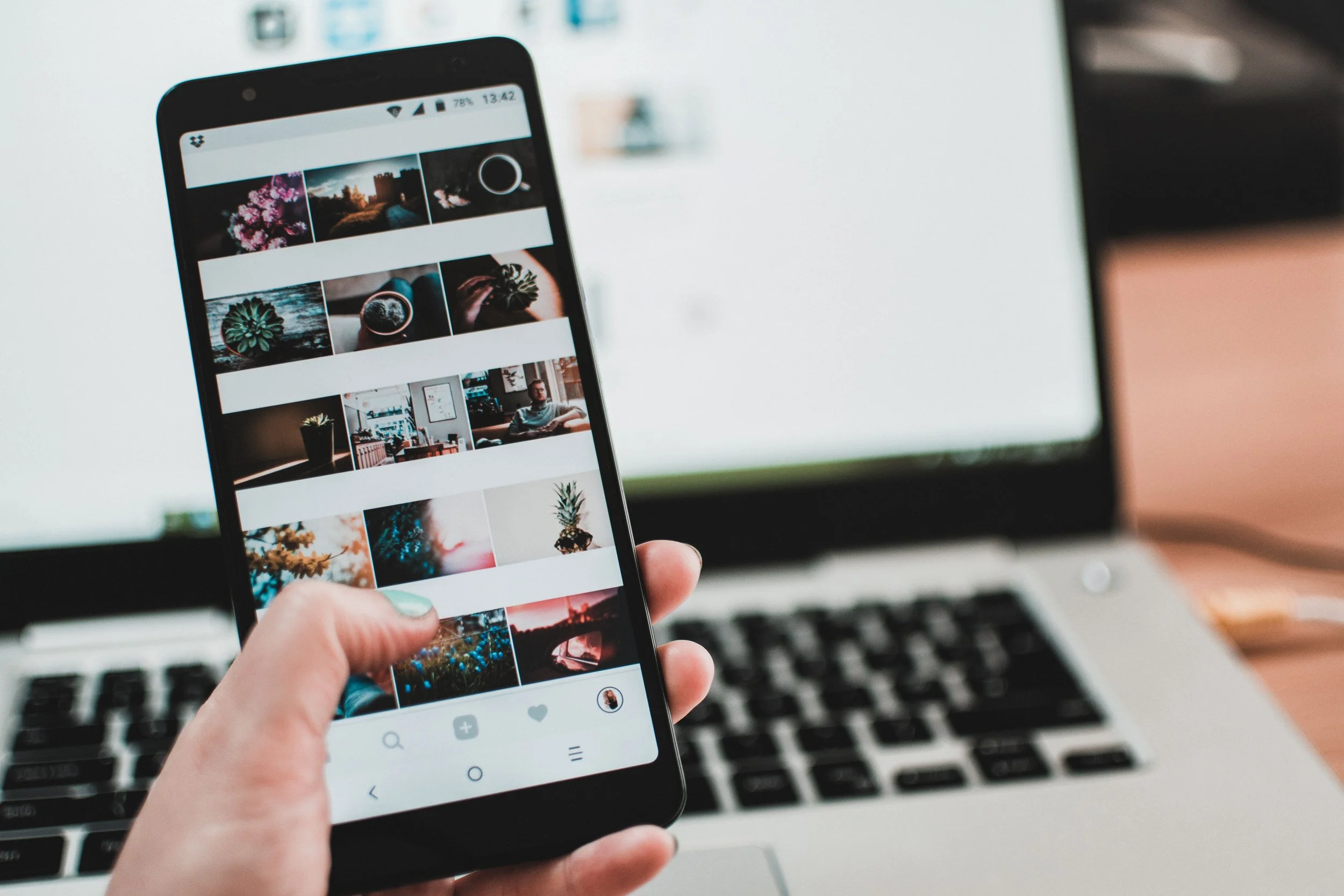
It is a fascinating paradox: while most people logically know that social media is a highlighted "reel”, they still struggle to understand that truth in the moment. Data from 2024 to 2026 suggests a gap that is growing, where users are becoming more cynical about what they see, yet they are still deeply affected by it.
THE SUPERMAJORITY
Recent surveys (e.g., Gartner 2025, ResearchGate 2024) indicate that a "supermajority" of users are aware of digital curated content, but the numbers vary by generation and social media platform:
The "Self" vs. "Others" Bias:
About 60% of users believe their own profile is an "absolute truth," but over 53% of those same users believe that others are posting "picture-perfect" lives that do not reflect reality.
Distrust is Rising:
By 2026, nearly 50% of consumers reported "social media fatigue" or disillusionment, explicitly citing a lack of authenticity and the prevalence of "highly polished" or AI-altered content as reasons for pulling back from platforms.
GEN DIFFERENCES
The level of "realization" often depends on how long a person has lived with the technology.
Gen Z (Digital Natives):
About 41% of Gen Z users now turn to social media for "human validation" and user-generated content because they trust it more than traditional ads, yet they are also the most likely to use "finstas" (or “fake Instagrams”) or "side quest" accounts. They understand the game better than anyone, yet they spend the most time—up to 3 hours a day—consuming it.
Millennials:
Frequently use social media for identity formation. Studies show they are highly aware of "curating a presence" (similar to choosing an outfit) to signal status or belonging.
Boomers/Gen X:
Generally report higher trust in certain platforms (like YouTube) for information but are statistically more susceptible to "illusory truth" effects—where seeing a post repeatedly makes it feel real, regardless of its accuracy.
THE 24% CONFIDENCE GAP
The most striking clinical finding in 2025 is that cognitive awareness does not equal emotional immunity. *
The 24% Confidence Gap:
Even though most adults say they know social media isn't "real," only about 24% feel confident they can actually distinguish a "true" post from a "false" or highly embellished one on platforms like TikTok or X.
The Neural Loop:
Even when a user knows a photo is filtered, their brain's reward system and social comparison centers still fire as if the image were an objective standard. This is why "body-positive" or "unfiltered" trends (e.g., "social media vs. reality" posts) became so popular in 2025—they act as a necessary "reset" for the brain's perception.
SUMMARY OF FINDINGS
53% to 60% estimated percentage of users acknowledge social media pages are curated content, not a direct representation of one’s life.
50% estimated percentage of users feel "disillusioned" with a lack of authenticity.
24% estimated percentage of users are confident in spotting "fake/embellished" content.
59% estimated percentage of users believe their own profile is “accurate".
FROM CYNICISM TO SELF-AWARENESS:
A PATH THAT LOOKS FORWARD
In short, while about half the world is now actively skeptical of the "perfect life" narrative, this cognitive awareness does not grant emotional immunity. The most striking clinical finding is that even when users know a photo is filtered, their brain's reward system and social comparison centers still fire as if the image were an objective standard. The fundamental urge to compare ourselves to these images lives in our subconscious.
To move past this trap, the path forward requires intentional action:
Practice Mindful Self-Observation:
Actively engage in self-observation without judgment, focusing on how your body feels rather than just how it looks.
Reframe Thought Patterns:
Consciously challenge negative self-talk by focusing on your body's abilities and strengths, rather than just how it looks.
Limit Exposure and Curate Feeds:
Consciously manage exposure to media that promotes unrealistic standards and unfollow or mute content that negatively impacts your self-perception.
BETTER TO RISE ABOVE
We hope you can take away these important points:
What you see on a screen on social media is only a piece of that person’s life. An Instagram post is just that—an Instagram post. It is not a complete biography or a complete representation of a person’s life. If you find yourself measuring your perception of reality against someone’s Facebook posts, remember that the most successful-looking lives are often the ones most confined by the pressure to appear perfect—- & perfect is what none of us are.
CHECK IN WITH YOURSELF
If the digital world feels more "real" than the physical one. Or, if the pressure to be better, than the person you already are, is weighing you down—it may be time to press pause.
Whether you are feeling stressed, overwhelmed, or that you could use a second opinion, the best support is only a few clicks away.
Talk to Someone Who Can Help:
Crisis Text Line: Text HOME to 741741
SAMHSA’s National Helpline: 1-800-662-HELP (4357)
Remember, we all need space and time to recalibrate. Nobody’s perfect.